Black walnut (Juglans nigra) is a highly prized hardwood known for its rich, dark chocolate-brown heartwood, distinctive grain patterns, and exceptional durability. Renowned for its versatility, it is widely used in high-end furniture manufacturing, flooring, veneer production, gunstocks, and decorative woodworking projects globally. However, freshly harvested black walnut timber contains high moisture content—typically between 35% and 60%—which poses significant challenges to its processing, quality, and long-term usability. Without proper drying, the timber is prone to warping, cracking, cupping, and mold infestation, which can drastically reduce its value and render it unsuitable for premium applications. Industrial dryer machines have emerged as a critical solution in black walnut timber processing, enabling efficient, uniform, and controlled drying that preserves the wood’s natural beauty and structural integrity while meeting the strict quality standards of the industry.
The role of industrial dryer machines in black walnut processing cannot be overstated. Unlike traditional air-drying methods, which are time-consuming (often taking 6 months to 2 years, depending on timber thickness and environmental conditions) and susceptible to weather fluctuations, industrial dryers provide a controlled environment that accelerates the drying process while minimizing quality defects. For manufacturers and processors, this translates to increased production efficiency, reduced waste, and consistent output—key factors in meeting the growing demand for high-quality black walnut products, particularly in export markets where the wood is highly valued. This article explores the types, working principles, core features, benefits, and best practices of industrial dryer machines specifically designed for black walnut timber processing, highlighting their indispensable role in the modern hardwood industry.
To understand the importance of industrial dryers for black walnut, it is first essential to recognize the unique characteristics of the wood that make drying a critical step. Black walnut is a dense hardwood with a tight grain structure, which means moisture trapped within its fibers is slow to escape naturally. When dried too quickly or unevenly, the wood undergoes uneven shrinkage, leading to internal stresses that manifest as cracks, checks, or warping. Additionally, black walnut’s natural color—ranging from pale sapwood to deep, rich heartwood with purple or gold streaks—is highly sensitive to moisture and temperature changes; improper drying can cause discoloration, fading, or blotching, ruining the wood’s aesthetic appeal. Industrial dryers address these challenges by regulating temperature, humidity, airflow, and drying time with precision, ensuring that moisture is removed gradually and uniformly throughout the timber.
There are several types of industrial dryer machines used in black walnut timber processing, each tailored to different production scales, timber sizes, and quality requirements. The most common types include conventional kiln dryers, high-frequency vacuum (HF+V) dryers, microwave vacuum dryers, and continuous belt dryers, each with distinct advantages and applications.
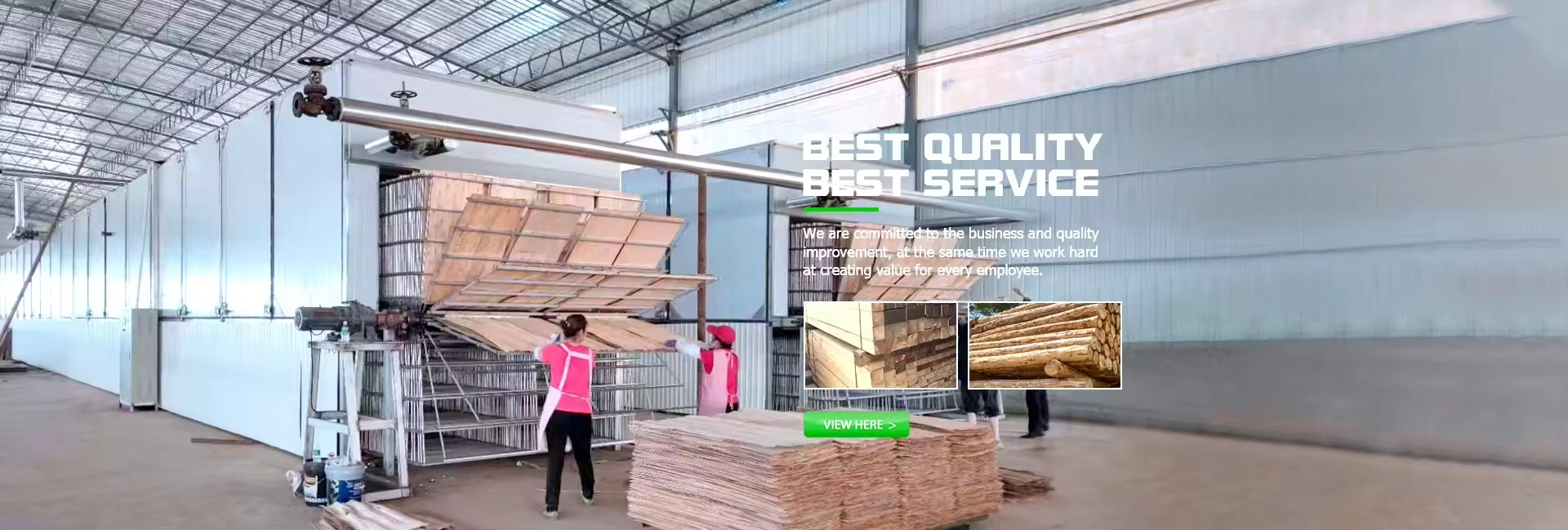
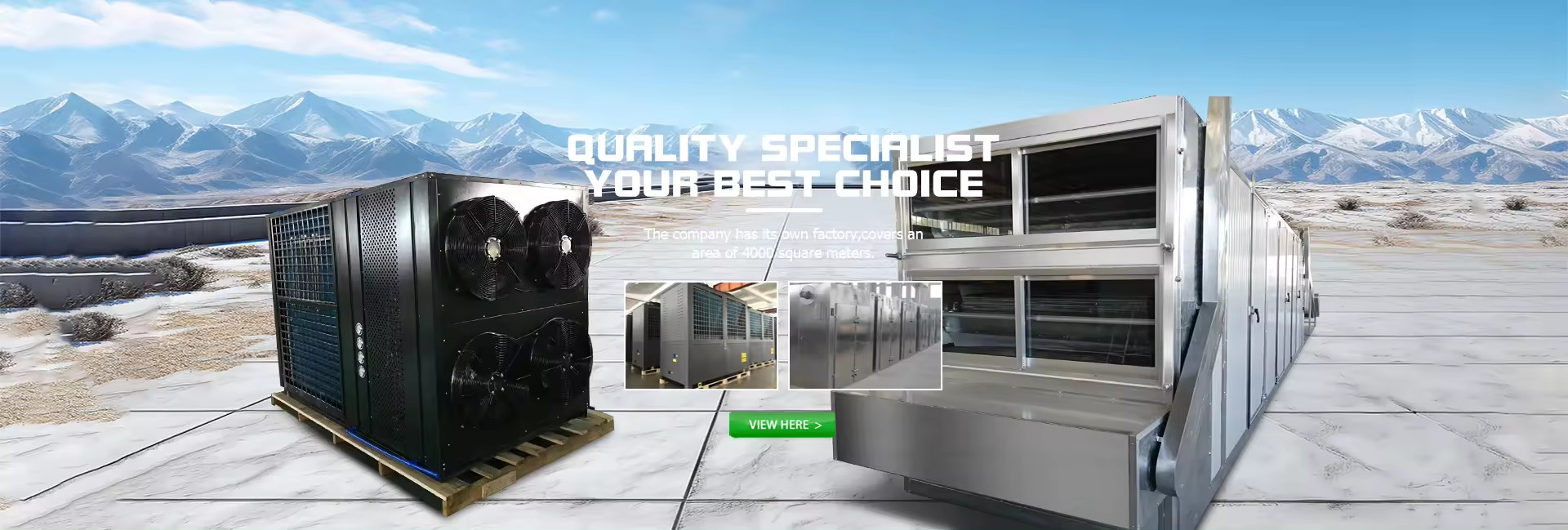
Conventional kiln dryers are the most widely used in the industry, particularly for large-scale processing of black walnut lumber. These dryers operate by circulating heated air (or steam) within a sealed chamber, using convection, conduction, and radiation to transfer heat to the timber and evaporate moisture. They are available in two main configurations: batch (periodic) kilns and continuous kilns. Batch kilns are ideal for small to medium-scale operations, where timber is loaded in batches, dried to the desired moisture content, and then unloaded—making them suitable for processing different wood species or timber sizes simultaneously. Continuous kilns, by contrast, feature a long, tunnel-like design (often 30 meters or longer) where timber is fed continuously at one end and emerges dried at the other, making them ideal for large-volume, uniform production of black walnut lumber. Conventional kilns can be further categorized by their heating sources, including steam, hot water, furnace gas, or oil, with steam-powered kilns being the most popular due to their ability to precisely control temperature and humidity, resulting in consistent drying quality.
High-frequency vacuum (HF+V) dryers are a specialized option designed for high-value, thick, or dense black walnut timber, such as that used for gunstocks or premium furniture components. These dryers combine high-frequency electromagnetic heating with a vacuum environment, allowing for low-temperature drying (typically 40–60°C) that minimizes thermal stress and preserves the wood’s physical properties. The vacuum reduces the boiling point of water, enabling moisture to evaporate at lower temperatures, while the high-frequency waves heat the timber from within—ensuring uniform moisture removal even in thick lumber (up to 150mm or more) that would be difficult to dry with conventional methods. Studies have shown that HF+V drying does not significantly alter the physical properties of black walnut, making it ideal for non-overloaded applications like gunstocks, where structural integrity is critical. While HF+V dryers have higher initial costs, they offer faster drying times (reducing drying cycles by 50–70% compared to conventional kilns) and superior quality, justifying the investment for premium black walnut products.
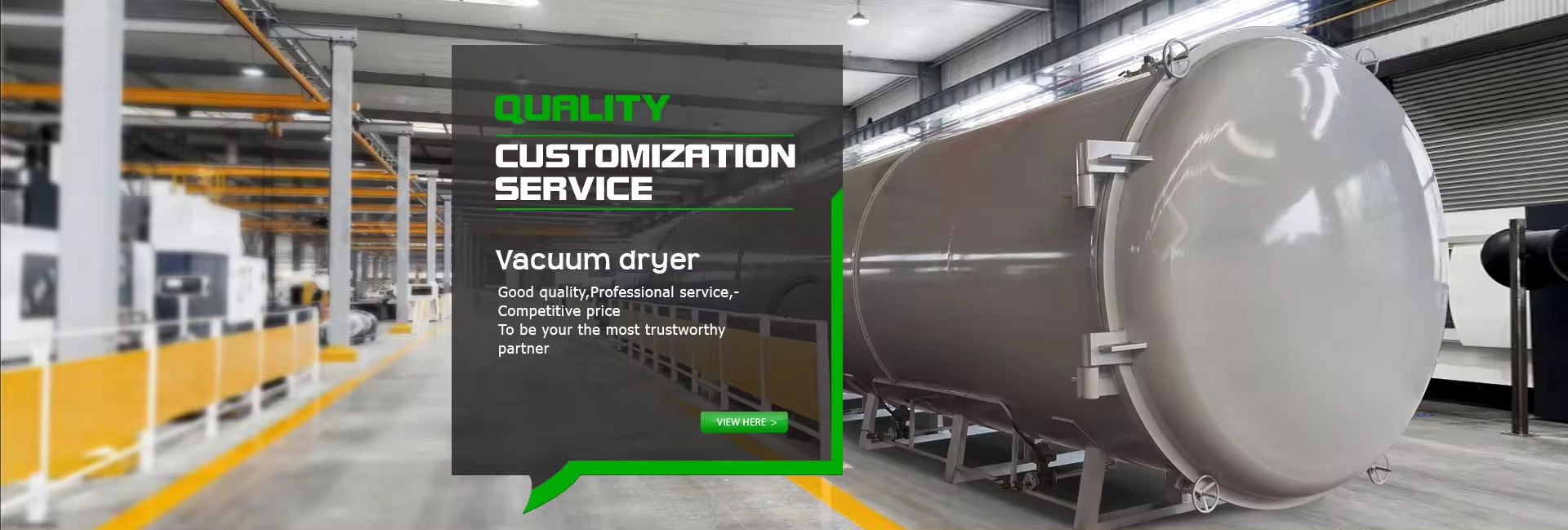
Microwave vacuum dryers are another advanced option, particularly suited for small-batch, high-precision drying of black walnut. Similar to HF+V dryers, they use electromagnetic waves to heat the timber internally, but at higher frequencies (2.45 GHz), which accelerates moisture evaporation while maintaining a low-temperature environment (-0.097 Mpa vacuum pressure). These dryers are ideal for drying black walnut with high initial moisture content (50–60%) down to the target 6–10% moisture content required for most applications, with drying times as short as 12–20 hours per batch depending on timber volume and thickness. Microwave vacuum dryers are particularly effective for preventing cracking and warping, as the uniform internal heating ensures that moisture is removed evenly, reducing internal stresses. They are also suitable for杀虫 and防霉 treatment during the drying process, adding value to the finished product.
Continuous belt dryers are designed for large-scale processing of thin black walnut lumber, veneer, or wood chips. These dryers feature a conveyor belt that moves the timber through a series of heated zones, with controlled airflow and temperature in each zone to ensure gradual drying. They are ideal for high-volume production lines, where consistent drying speed and uniform moisture content are critical. Continuous belt dryers are often used in conjunction with other processing equipment, such as planers or sawmills, to create a seamless production workflow for black walnut flooring, veneer, or furniture components.
The working principle of industrial dryer machines for black walnut timber processing revolves around four core components: heating system, ventilation system, humidity control system, and control system—all working in tandem to create an optimal drying environment. The heating system provides the necessary thermal energy to evaporate moisture from the timber, with options including steam, electric, gas, or biomass heating. The ventilation system circulates air (or drying medium) throughout the dryer chamber, ensuring that moisture-laden air is removed and replaced with dry air, promoting efficient moisture evaporation. In forced-circulation dryers, fans are used to drive airflow at speeds of 1 m/s or higher, with reversible fans available to ensure uniform drying by periodically changing airflow direction. The humidity control system regulates the moisture content of the drying air, preventing over-drying (which causes cracking) or under-drying (which leads to mold growth). This is typically achieved through humidifiers (to add moisture during the initial drying phase) and dehumidifiers (to remove excess moisture as drying progresses). The control system—often a PLC (Programmable Logic Controller) with a touchscreen interface—monitors and adjusts temperature, humidity, airflow, and drying time in real time, ensuring precise control over the drying process. Many modern dryers also feature moisture sensors that measure the timber’s moisture content throughout the process, automatically adjusting parameters to achieve the desired final moisture level (typically 6–12% for black walnut, depending on the application).
Industrial dryer machines offer numerous advantages over traditional drying methods for black walnut timber processing. First and foremost is improved drying efficiency: industrial dryers reduce drying times from months to days or even hours, significantly increasing production capacity and reducing storage costs. For example, a conventional batch kiln can dry black walnut lumber in 7–14 days, while an HF+V dryer can complete the same process in 2–5 days. Second, industrial dryers ensure uniform drying, minimizing defects such as warping, cracking, and discoloration. This is critical for black walnut, as its value depends heavily on its aesthetic appearance and structural integrity. Third, industrial dryers provide consistent results, ensuring that every batch of timber meets the same moisture content and quality standards—essential for manufacturers producing high-end products where consistency is key. Fourth, modern industrial dryers are energy-efficient, with features such as heat recovery systems that reuse waste heat from the drying process, reducing energy consumption and operational costs. For example, heat recovery systems can reduce energy usage by 20–30%, making industrial drying more sustainable and cost-effective. Finally, industrial dryers offer greater flexibility, with adjustable parameters that can be tailored to different thicknesses, cuts, and grades of black walnut timber, from thin veneer to thick lumber.
To maximize the effectiveness of industrial dryer machines for black walnut timber processing, several best practices should be followed. First, proper pre-drying preparation is essential. Freshly cut black walnut timber should be debarked promptly to prevent mold growth and insect infestation, and end-grain should be sealed with wax, paint, or epoxy to prevent rapid moisture loss from the ends, which can cause end checks and cracks. The timber should also be sorted by thickness, species, and initial moisture content to ensure uniform drying—mixing different thicknesses or moisture levels can lead to uneven drying and quality defects. Second, the drying schedule should be carefully calibrated to the type of black walnut and its intended use. For example, thick lumber used for furniture frames may require a slower drying schedule to prevent internal stresses, while thin veneer can be dried more quickly. The drying schedule should include a pre-heating phase (to warm the timber and prepare it for drying), a main drying phase (where most moisture is removed), and a conditioning phase (to equalize moisture content throughout the timber and reduce internal stresses). Third, regular maintenance of the dryer machine is critical to ensure optimal performance. This includes cleaning the heating elements, fans, and air ducts to prevent dust buildup, checking humidity and temperature sensors for accuracy, and inspecting the control system to ensure proper operation. Fourth, post-drying handling is important: dried black walnut timber should be stored in a controlled environment with stable temperature and humidity to prevent reabsorption of moisture, which can reverse the drying process and cause defects. Finally, operators should be trained to monitor the drying process, interpret moisture readings, and adjust parameters as needed to ensure consistent quality.
The application of industrial dryer machines in black walnut timber processing is diverse, spanning multiple sectors of the hardwood industry. In furniture manufacturing, dried black walnut is used to create high-end cabinets, tables, chairs, and decorative pieces, where its rich color and grain pattern are showcased. The uniform moisture content achieved by industrial dryers ensures that furniture components fit together precisely and remain stable over time, reducing the risk of warping or cracking after assembly. In flooring production, industrial drying ensures that black walnut flooring planks are dimensionally stable, preventing gaps or buckling when installed in homes or commercial spaces. For veneer production, industrial dryers are used to dry thin black walnut veneer sheets, preserving their delicate grain and color while ensuring they are flexible enough for application to curved surfaces. In the production of gunstocks and other precision wood products, specialized dryers like HF+V or microwave vacuum dryers are used to dry thick, dense black walnut blanks, ensuring structural integrity and consistent performance. Additionally, industrial dryers play a role in sustainable forestry practices by reducing waste—by minimizing drying defects, more of the harvested black walnut timber can be used, reducing the need for additional logging.
As the demand for high-quality black walnut products continues to grow—particularly in international markets—industrial dryer machines will become increasingly important for processors seeking to remain competitive. Advances in technology are driving innovations in industrial drying, including the development of more energy-efficient dryers, smart control systems with AI integration, and specialized dryers tailored to the unique needs of black walnut. For example, AI-powered control systems can analyze real-time data from moisture sensors, temperature gauges, and airflow meters to optimize the drying process automatically, reducing human error and improving efficiency. Additionally, the integration of renewable energy sources (such as solar or biomass) into industrial dryers is making the drying process more sustainable, aligning with global efforts to reduce carbon emissions.
In conclusion, industrial dryer machines are an indispensable component of modern black walnut timber processing. They address the unique challenges of drying this valuable hardwood, ensuring that it retains its natural beauty, structural integrity, and value while meeting the strict quality standards of the industry. By providing efficient, uniform, and controlled drying, industrial dryers enable processors to increase production capacity, reduce waste, and deliver consistent, high-quality products to meet the growing demand for black walnut globally. Whether using conventional kilns for large-scale production, HF+V dryers for premium thick lumber, or microwave vacuum dryers for small-batch precision drying, industrial dryers play a critical role in unlocking the full potential of black walnut timber. As technology continues to advance, industrial dryer machines will evolve to become even more efficient, sustainable, and tailored to the needs of the black walnut processing industry, ensuring that this prized hardwood remains a staple in high-end woodworking for years to come.

 Your message must be between 20-3,000 characters!